


Herbal Teas, Yoga to Have a Baby? Try Fertility Evaluation

Around 15 to 20 million couples in India struggle with infertility, contributing nearly 25% to global infertility cases. Many turn to natural methods like fertility tea for women and fertility yoga while tracking their cycles with an ovulation calculator app. These approaches can support reproductive health, but a female fertility evaluation identifies the actual causes behind conception delays. Medical testing reveals conditions such as hormonal imbalances, blocked fallopian tubes, or poor egg quality that natural remedies cannot address. Combining natural wellness with clinical assessment provides couples with a complete fertility strategy.

What Is a Fertility Evaluation?

A fertility evaluation test assesses reproductive health and identifies specific causes of infertility through clinical procedures. 

  • Hormonal Assessments: Blood tests measure FSH, LH, AMH, and estradiol levels to evaluate ovarian reserve and egg quality. These markers reveal how ovulation and fertilisation processes function in the body.
  • Ultrasound Imaging: Transvaginal ultrasounds detect structural abnormalities, including fibroids, polyps, ovarian cysts, or endometrial thickness issues that prevent embryo implantation.
  • Hysterosalpingography (HSG): This X-ray procedure uses contrast dye to check for blockages or scarring in the fallopian tubes. These issues can keep sperm from reaching the egg.
  • Semen Analysis (for couples): Laboratory testing evaluates sperm count, motility percentage, morphology, and volume to determine male fertility potential.

Results from these tests guide personalised ovulation induction treatment plans or recommend lifestyle modifications based on specific medical findings.

When to Consider a Fertility Consultation

Medical guidelines suggest getting a fertility consultation after 12 months of unprotected intercourse for women under 35. For women over 35, it is recommended after 6 months. Age affects egg quality and how many eggs are available, so it’s important for older women to seek help sooner.

Signs that suggest consulting a fertility expert include:

  • Irregular or absent menstrual cycles lasting fewer than 21 days or longer than 35 days.
  • Hormonal imbalance symptoms such as severe acne, excess facial hair, or unexplained hair loss.
  • A history of two or more consecutive miscarriages requires investigation.
  • Previous pelvic infections, endometriosis diagnosis, or reproductive surgeries.
  • Unexplained weight fluctuations or diagnosed thyroid disorders.

Early consultation detects issues such as polycystic ovary syndrome (PCOS), diminished ovarian reserve, or anatomical problems that home remedies to induce ovulation cannot resolve. Delayed diagnosis reduces treatment success rates and limits available options.

Fertility Tea and Its Benefits

Herbal teas are natural fertility aids that support hormone balance and provide antioxidants for reproductive cell health. Traditional medicine systems, including Ayurveda, have used specific herbs for centuries to address menstrual irregularities and support conception.


Herbal Ingredient Possible Benefit Precaution/Note
Vitex (Chaste Tree Berry) May help balance progesterone levels and support regular ovulation cycles in women with hormonal imbalance. Avoid during pregnancy and when taking hormonal medications.
Red Raspberry Leaf Although evidence is limited, it may help strengthen uterine muscles and tone pelvic tissues. Use moderately; excessive intake may trigger uterine contractions.
Green Tea Provides antioxidants that may protect egg and sperm DNA from oxidative stress. Large amounts can reduce folate absorption, which is essential before conception.
Spearmint Tea It may help lower elevated testosterone levels in women with PCOS, improving hormonal balance. Limit to short-term use; long-term safety data are limited.


Fertility teas can be used as a supplementary to medical recommendations, but they cannot substitute the diagnostic tests and treatments of ovulation problems. Women who have known fertility issues are advised to seek expert advice before incorporating herbal supplements. Certain herbs might react with fertility drugs or cause unexpected changes in hormone levels. Monitoring fertile ovulation discharge and herbal tea consumption helps track cycle changes..

Fertility Yoga and Its Impact

Yoga offers a gentle approach to enhancing fertility by addressing stress hormones and improving blood circulation to reproductive organs. Research shows chronic stress elevates cortisol, disrupting the hypothalamic-pituitary-ovarian axis responsible for ovulation regulation.

Yoga helps restore physical and hormonal balance in several ways:

  • Lowers cortisol levels: Regular practice reduces stress hormone production that interferes with GnRH (gonadotropin-releasing hormone) secretion. Elevated cortisol suppresses normal ovulation patterns and delays menstruation.
  • Improves endocrine function: Specific poses stimulate the thyroid, adrenal, and pituitary glands, which regulate reproductive hormones including FSH, LH, and prolactin.
  • Enhances pelvic blood flow: Forward bends and hip openers increase circulation to the uterus and ovaries, improving nutrient delivery and waste removal from reproductive tissues.
  • Promotes relaxation and emotional balance: Pranayama (breathing exercises) activates the parasympathetic nervous system, countering the fight-or-flight response that impairs conception.

Yoga Asanas for Fertility

  • Legs-Up-The-Wall Pose (Viparita Karani): This inversion increases blood flow to the pelvic region and reduces swelling in legs and feet. Hold for 5 to 10 minutes daily to support uterine health. The pose also calms the nervous system, making it effective for ovulation pain home remedies.
  • Reclining Bound Angle Pose (Supta Baddha Konasana): Opens hip flexors and stretches inner thighs while promoting relaxation. This pose reduces tension in the pelvic floor muscles that may restrict blood circulation. Use bolsters for support during longer holds of 3 to 5 minutes.
  • Bridge Pose (Setu Bandhasana): Strengthens pelvic floor muscles and lifts the uterus, improving its position for conception. Hold for 30 to 60 seconds while breathing deeply. This backbend also stimulates the thyroid gland located in the throat.
  • Cobra Pose (Bhujangasana): Stimulates ovarian function through gentle compression of the lower abdomen and releases emotional stress stored in the hips. Practice 3 to 5 repetitions, holding each for 15 to 30 seconds.

Short daily sessions of 20 to 30 minutes produce better results than infrequent longer practices. Consistency matters more than intensity when using yoga for reproductive health support.

Combining Herbal Teas, Yoga, and Fertility Evaluation

Herbal teas provide hormonal support through bioactive compounds while yoga relieves stress that disrupts ovulation cycles. Medical evaluation tests detect barriers requiring clinical intervention, such as tubal blockage or severe male factor infertility. Women tracking cycles with an ovulation calculator app gain additional insight by noting how teas and yoga affect their patterns. However, are period apps are accurate for ovulation depends on data quality; apps that track basal body temperature and cervical mucus provide more reliable predictions than calendar-based algorithms alone. This integrated approach prevents months of ineffective natural remedies when medical treatment offers higher success rates.

Key Takeaways 

Herbal teas and fertility yoga may enhance reproductive health through hormonal balancing and alleviation of stress. However, if conception is delayed, these methods cannot replace a full fertility evaluation. Consulting a fertility expert provides a customized plan that combines evidence-based natural practices with medical interventions tailored to specific test results. 


Book a consultation with fertility experts today for personalised guidance on overcoming conception delays.

FAQs

  • Can men also benefit from fertility teas or yoga?

Men experience improved sperm parameters through antioxidant-rich teas like green tea and stress-reducing yoga practices. Studies show that oxidative stress damages sperm DNA, while yoga lowers cortisol levels that negatively affect testosterone production and sperm count.

  • Are online fertility evaluation tests accurate?

Home hormone tests measure select markers like LH or FSH but lack the comprehensive analysis and ultrasound imaging that clinical evaluations provide. Online results require professional interpretation to accurately assess ovarian reserve or detect structural abnormalities.

  • Do fertility teas interfere with prescribed medications?

Vitex affects dopamine levels and may reduce the effectiveness of hormonal contraceptives or fertility medications. Women taking clomiphene, letrozole, or other prescription treatments must disclose all herbal supplements to their fertility specialist.

  • How often should fertility evaluations be repeated?

Baseline evaluations establish reproductive health status, while follow-up tests every 6 to 12 months track changes in ovarian reserve or treatment response. Women over 35 require more frequent monitoring due to accelerated egg quality decline.
Common Conceptions & Fertility Myths That Delay Pregnancy

According to the World Health Organisation, around 17.5% of adults globally experience infertility at some stage in their reproductive lives. Despite medical progress, misinformation around natural conception keeps many couples from conceiving naturally. Busting these misconceptions can help couples identify real pregnancy delay reasons and take the right steps early. 

The following are the most common natural conception myths and their facts.

Myth 1: Pregnancy Can Occur on Any Day of the Menstrual Cycle

Many couples think that having sex at any time can lead to pregnancy. This misunderstanding can lead to disappointment when pregnancy does not happen, even with regular sexual activity.

Fact: Conception only occurs during ovulation, about 12 to 14 days before the next period begins. The fertile window lasts about six days: the five days before ovulation and the day of ovulation. Sperm can live in the female reproductive tract for up to five days, while an egg is viable for 12 to 24 hours after it is released. Tracking ovulation through basal body temperature, changes in cervical mucus, or ovulation predictor kits can help pinpoint fertile days and improve timing for natural conception.

Myth 2: Daily Intercourse Maximises Pregnancy Chances

Couples often assume that increasing intercourse frequency directly increases conception probability. This leads to scheduled sexual activity that creates stress and reduces spontaneity.

Fact: Daily intercourse may lower sperm quality and reduce sperm count per ejaculation. Sperm concentration and motility remain optimal with intercourse every two to three days during the fertile window. Frequent ejaculations within short intervals can temporarily reduce sperm count, making regular but spaced activity more effective. Quality matters more than quantity when attempting to conceive naturally.

Myth 3: Specific Sexual Positions Increase Conception Success

Popular culture suggests that some positions, especially those that allow deeper penetration or gravity assistance, can increase the chances of fertilisation. Couples often spend time and energy trying these methods that lack clear evidence.

Fact: No medical evidence links sexual positions to conception rates. Sperm reaches the cervix within seconds of ejaculation, regardless of position during intercourse. The cervical mucus during ovulation facilitates sperm transport through the reproductive tract naturally. Success depends on timing, sperm quality, and overall reproductive health, not physical positioning during or after intercourse.

Myth 4: Stress Alone Prevents Pregnancy

The common advice to “just relax” implies that psychological stress is the primary pregnancy dilemma. This oversimplification dismisses legitimate medical causes of infertility.

Fact: Stress can affect hormones, but rarely causes infertility on its own in healthy individuals. The majority of conception difficulties are a result of medical conditions such as ovulation disorders, blocked fallopian tubes, endometriosis, low sperm count, or poor sperm motility. Managing stress through rest and balanced living supports overall well-being, but does not guarantee conception. Addressing medical factors through proper evaluation remains more critical than stress management alone for couples experiencing delayed period, no pregnancy symptoms.

Myth 5: Fertility Problems Affect Only Women

Cultural biases and old beliefs place most of the responsibility for fertility on women. This leads to women undergoing extensive testing, while their male partners face little to no evaluation.

Fact: Male factors account for up to 50% of infertility cases. Common male issues include low sperm count, poor sperm motility, abnormal sperm morphology, and complete absence of sperm in the ejaculate. Varicoceles, hormonal imbalances, genetic factors, and lifestyle choices affect male fertility just as female factors affect women. Both partners should undergo evaluation when conception delays occur beyond the expected timeframe.

Myth 6: A Missed Period Always Indicates Pregnancy

Women experiencing a delayed period no pregnancy often assume conception has occurred. This leads to confusion when pregnancy tests return negative results.

Fact: A delayed period could stem from hormonal imbalance, stress, thyroid issues, or diet changes that affect the menstrual cycle. Polycystic ovary syndrome affects 6 to 13% of women of reproductive age and commonly causes irregular cycles. Premature ovarian insufficiency, excessive exercise, substantial weight fluctuations, and certain medications also disrupt menstrual regularity. Pregnancy is only one possible reason among several that can cause a late or missed period.

Myth 7: Natural Pregnancy Becomes Impossible After Age 35

The widespread belief that fertility ends abruptly at 35 causes panic and hasty decisions. Women abandon attempts at natural conception prematurely based on this arbitrary age marker.

Fact: Fertility decreases with age, but pregnancy is still achievable naturally with healthy habits and timely medical guidance. Egg quantity and quality decline progressively from the late 20s onward, with acceleration after 35 and more decline after 40. Approximately 25% of women aged 35 to 39 experience infertility, meaning around 75% in this age group can still conceive naturally. Many women achieve successful pregnancies in their late 30s and early 40s without medical intervention.

Myth 8: Home Remedies Guarantee Quick Conception

Internet sources promote various home remedies to get pregnant quick, from specific foods to herbal supplements. Couples invest money and hope in unproven methods based on anecdotal claims.

Fact: Remedies like herbal teas or special diets can support reproductive health, but do not guarantee conception on their own. No natural fertility remedies have rigorous scientific evidence proving they cause pregnancy or increase conception rates. While good nutrition supports overall reproductive health by providing sufficient vitamins and minerals, supplements cannot fix structural issues like blocked tubes or serious male infertility. Medical evaluation is important for couples who experience delays longer than 12 months, or six months for women over 35.

Conclusion

Fertility myths often waste time and create unnecessary stress for couples trying to conceive naturally. Learning the facts can help couples make informed choices about the natural way to get pregnant without falling for unproven home remedies to get pregnant quick. Recognising the real causes of pregnancy delay enables timely medical intervention when needed. While natural fertility remedies and healthy lifestyle choices support reproductive function, they cannot substitute for proper medical evaluation when conception does not occur within expected timeframes. 


Schedule a consultation with a fertility specialist from Pristyn Care Ferticity today to receive expert evaluation and guided treatment support.

FAQs

  • Can stress delay pregnancy even if everything else is normal?

Severe chronic stress may temporarily disrupt ovulation patterns through effects on hypothalamic-pituitary hormone signalling in some women. However, structural abnormalities, hormonal disorders, and sperm quality issues far more commonly explain sustained conception difficulties beyond three to six months.

  • How long should couples try naturally before seeing a fertility doctor?

Women under 35 should consult a specialist after one year of timed unprotected intercourse without conception. Women aged 35 to 40 should seek evaluation after six months, while those over 40 should pursue immediate assessment.

  • Do natural fertility remedies actually work?

No herbal supplement or natural fertility remedy has rigorous scientific evidence demonstrating increased conception rates in clinical trials. Medical evaluation identifies treatable causes that supplements alone cannot address.

  • Why does a period delay occur with no pregnancy symptoms?

Polycystic ovary syndrome, thyroid disorders, substantial weight changes, excessive exercise, and medications commonly cause delayed periods or no pregnancy scenarios. Stress may temporarily postpone ovulation and subsequently menstruation.

  • Are there early signs indicating low fertility potential?

Irregular or absent menstrual periods, extremely heavy bleeding, severe pelvic pain, and hormonal imbalance symptoms may indicate reduced fertility. However, many fertility problems produce no symptoms until conception attempts fail.

Ovulation Tracking: Seek a Fertility Specialist

According to the World Health Organisation, 1 in 6 people globally experience infertility, and ovulation disorders contribute to nearly 25–40% of female infertility cases. Learning how to track ovulation can increase the chances of getting pregnant. It helps identify the brief period when an egg is ready for fertilisation. This can be monitored in several ways, such as home-based equipment, ovulation test kits, and medical tests, which give detailed readings of the hormones. Knowing the fertile days helps couples time intercourse more effectively.  When self-monitoring fails to result in pregnancy in a reasonable period, a consultation with a fertility specialist can offer a correct diagnosis and a specific treatment plan.

What Is Ovulation Tracking?

Ovulation tracking identifies the most fertile days in a menstrual cycle by monitoring hormonal shifts and physical signs that signal egg release. This process helps individuals understand their reproductive patterns and pinpoint the optimal time for conception. Methods range from simple at-home tests that detect luteinizing hormone surges to clinical evaluations measuring follicle development through ultrasound. 

Methods of Tracking Ovulation


Method Accuracy Best For Limitation
Ovulation test kit Highly reliable in detecting LH surge. Regular cycles May show LH rise even when ovulation doesn’t occur
Basal body temperature (BBT) chart Moderately reliable with consistent tracking. Consistent users Time-consuming and affected by lifestyle factors
Cervical mucus check Fairly reliable with experience. Natural trackers Interpretation can vary from person to person
Fertility apps or digital charts Reliable when data is logged correctly. Tech-savvy users Accuracy depends on consistent, precise data entry
Ultrasound & blood tests Clinically accurate. Medical diagnosis Costly and requires a clinic visit
  • Ovulation Test Kit

An ovulation test detects the rise in luteinizing hormone 24 to 36 hours before ovulation. These kits provide quick results using urine samples. They are easy to find for home use. Testing starts several days before the expected ovulation date, depending on the cycle length. False positives can happen in cases of polycystic ovary syndrome or when hormone levels stay high without the release of an egg.

  • Basal Body Temperature Chart

A fertility tracking chart records your morning body temperature before any physical activity. This method shows a slight increase after ovulation due to progesterone. You should measure your temperature each day at the same time using a special thermometer. The temperature change confirms ovulation later. However, it does not predict fertile days in advance. Consistency is important. Irregular sleep patterns, illness, or alcohol use can affect the readings.

  • Cervical Mucus Check

Monitoring cervical mucus means watching how its texture and volume change during the cycle. Fertile mucus looks like raw egg whites, stretches when pulled between fingers, and helps sperm move. This method is free and requires knowing normal discharge patterns. Since it relies on personal judgment, interpretations can vary. Additionally, infections or medications can change the mucus’s appearance.

  • Fertility Apps and Digital Charts

Digital tools utilise such data as period dates, symptoms, and test outcomes to forecast fertile periods. Their algorithms are enhanced over time as they accumulate more data. These applications are convenient, have tracking functionality and useful reminders. Their efficacy, however, depends on the regular and accurate data input. Uneven periods may reduce the accuracy of the forecasts, and the apps cannot recognise underlying health issues that could impact ovulation.

  • Ultrasound and Blood Tests

Transvaginal ultrasound clinical monitoring directly monitors follicle development. Blood tests identify the levels of estradiol and progesterone at the same time. These two procedures can verify ovulation and diagnose the problems that home tests may not detect. Specialists use this approach for couples undergoing fertility treatment or when other methods fail to deliver clear results.

Using several strategies improves prediction accuracy. Cross-referencing data from ovulation tracking strips, temperature charts, and mucus observations decreases the chances of missing the fertile window.

When and Why to Consult a Fertility Specialist

Professional consultation is important if self-directed tracking does not lead to pregnancy within the expected time. It is also necessary when other underlying conditions are impacting normal ovulation patterns. 

Role of Fertility Specialists

  • Advanced Diagnostic Testing: Specialists perform hormone panels measuring follicle-stimulating hormone, luteinizing hormone, thyroid-stimulating hormone and prolactin. Transvaginal ultrasound tracks follicle development in real time.
  • Treatment for Ovulatory Disorders: Polycystic ovary syndrome(PCOS) affects 6–13% of reproductive-aged individuals and causes irregular ovulation due to hormonal imbalances and insulin resistance. Specialists prescribe medications like letrozole or clomiphene citrate to induce ovulation in anovulatory cycles.
  • Male Fertility Evaluation: Male infertility contributes to 30–40% of conception difficulties, requiring semen analysis alongside female evaluations. Sperm count, motility, and morphology assessments identify treatable issues such as varicoceles or hormonal deficiencies.
  • Personalised Treatment Planning: Specialists design protocols based on age, hormone profiles, cycle patterns, and diagnosed conditions. Treatment plans adapt as patients respond to interventions, with dosage adjustments and timing modifications based on follicle monitoring results.

Pristyn Care Ferticity Fertility Specialists: Your Partner in Parenthood

At Pristyn Care Ferticity, we deliver a patient-focused approach that combines expertise in reproductive medicine with modern diagnostic facilities.

  • Personalised Care: We personalise treatment regimens through testing that includes hormone panels, imaging tests and cycle analysis tests. Each patient receives protocols designed for their individual diagnosis.
  • Advanced Technology: Our laboratories offer quality hormone testing and genetic tests.  High-resolution ultrasound equipment monitors follicle development. This improves diagnostic accuracy and the success rates of treatment.
  • Expert Guidance: Our reproductive endocrinologists hold specialised training in ovulatory disorders and offer evidence-based solutions for polycystic ovary syndrome, hypothalamic amenorrhea, and luteal phase defects. Experienced teams interpret test results and adjust protocols.

Key Takeaways

Consistent ovulation tracking with reliable methods can boost the chances of getting pregnant by identifying the short fertile window in each cycle. If attempts to conceive do not succeed, home monitoring needs professional support because underlying issues can disrupt normal patterns. Fertility specialists offer effective diagnostic tools, interpret complex hormonal data, and create targeted treatment plans that self-directed efforts cannot match.

Book a consultation with fertility specialists today to begin personalised care and expert guidance for successful conception.

FAQs

  • Can ovulation tracking strips be used with irregular cycles?

Irregular cycles make timing difficult, as the testing window becomes unpredictable. Starting tests earlier and continuing for more days increases the chance of catching the surge. Inconsistent ovulation reduces overall reliability compared to regular cycles.

  • What is the best time of day to take an ovulation test?

Testing between 10 a.m. and 8 p.m. captures the luteinizing hormone surge more effectively than early morning samples—the hormone concentration peaks during midday hours. Afternoon testing delivers optimal detection accuracy.

  • How long does it take to see results from an ovulation test kit?

Most tests display results within 3 to 5 minutes after urine application. Digital tests provide clear positive or negative indicators. Traditional strips require comparing line intensity to reference guides included in packaging.

  • How to track fertile days after stopping birth control?

Cycles return to normal within one to three months after stopping most hormonal birth control methods. How to track fertile days during this transition involves monitoring cervical mucus changes and using ovulation tracking strips once periods resume. Depo-Provera injections delay ovulation return for six to twelve months.

  • Can ovulation tracking strips detect pregnancy?

Ovulation tracking strips detect luteinizing hormone, not human chorionic gonadotropin, the pregnancy hormone. Using these strips as pregnancy tests produces unreliable results. Pregnancy tests specifically designed to detect human chorionic gonadotropin provide accurate conception confirmation.

Home Remedies and Ovulation Apps to Improve Fertility

Infertility affects about 1 in 6 people globally, according to the World Health Organisation. Many couples now use a mix of natural methods and technology to support their fertility journey. An ovulation calculator app tracks cycle patterns. At the same time, home remedies to induce ovulation meet the body’s needs. This combined approach raises timing awareness and provides lifestyle support that helps create the right conditions for ovulation and fertilisation.

Key Fertility Signals 

Ovulation occurs when the ovary releases an egg, creating a short window for conception. Tracking physical and hormonal signs can help identify fertile days and improve the timing for trying to conceive.

  • Fertile ovulation discharge: The cervical mucus becomes clear, slippery, and stretchy, similar to raw egg white, when estrogen peaks. This texture allows sperm to live and move toward the egg. The discharge shows up one to two days before ovulation, when the chances of conception are highest.
  • Basal body temperature: After ovulation, a woman’s resting temperature rises slightly, about 0.3 to 0.5 degrees Fahrenheit. Measuring temperature immediately upon waking provides the most accurate reading. The temperature stays elevated throughout the second half of the cycle.
  • Ovulation sensations: About 20% of women feel mild cramping or sharp twinges on one side during ovulation. This sensation, called mittelschmerz, occurs as the ovary releases the egg. It can last from a few minutes to several hours.
  • Hormone surge: Luteinizing hormone (LH) peaks 24 to 36 hours before ovulation. Ovulation predictor kits detect this LH surge in urine. This provides advance notice of the most fertile days.

How Ovulation Apps and Period Trackers Work

An ovulation calculator app looks at cycle patterns to predict when ovulation happens. Users enter their cycle length, symptoms, and physical signs. The app estimates fertile windows based on patterns from several months. Research on “Are period apps accurate for ovulation” shows approximately 21% accuracy for predicting the actual ovulation day. Apps perform best when cycles are regular, between 26 and 32 days, but predictions remain estimates rather than exact.


App Main Function Best For Platform Cost
Flo AI-driven period and ovulation predictions Regular cycles, TTC planning iOS, Android Freemium
Clue Science-based cycle tracking and symptom logging Understanding cycle trends iOS, Android Freemium
Ovia Fertility and health tracking with personalised insights Planning pregnancy, overall health iOS, Android Free/Subscription


These apps work best when combined with physical confirmation. Cross-checking app predictions with ovulation predictor kits provides double confirmation.

Home Remedies to Improve Fertility Naturally


Natural methods help ovulation by improving reproductive health and balancing hormones. Individuals need to use home remedies to induce ovulation with realistic expectations and medical guidance.

  • Nutrition and Diet

Leafy greens contain folate, essential for egg development. Berries and citrus fruits provide antioxidants that protect eggs from damage. Oysters, pumpkin seeds, and beef offer zinc, which affects hormone production. Women eating Mediterranean-style diets, rich in vegetables, whole grains, and healthy fats, also experience higher pregnancy rates.

  • Weight and Metabolic Health

Maintaining a healthy weight supports regular ovulation patterns. Being significantly underweight or overweight can disrupt hormone signalling that triggers ovulation. Moderate activity for 30 minutes, five days weekly, supports ovulation without suppressing reproductive hormones.

  • Herbal Support

Vitex agnus-castus works on the pituitary gland to regulate prolactin. Studies show that its intake may support cycle regularity over several months. Maca root also contains compounds that may influence hormone balance. Any herbal approach requires discussion with a healthcare provider before starting.

  • Sleep Quality

7-8 hours of sleep per night supports hormones controlling ovulation. Adequate rest helps the body produce melatonin, which affects reproductive hormone timing. Consistent sleep schedules improve results more than occasionally sleeping longer.

  • Stress Reduction

Chronic stress elevates cortisol, which can interfere with ovulation hormones. Yoga, meditation, or progressive muscle relaxation reduces stress levels measurably. Research shows that women participating in stress reduction programs experienced higher conception rates.

  • Avoiding Harmful Substances

Smoking reduces fertility by approximately 13%. Alcohol exceeding four drinks weekly reduces conception likelihood by about 16%. Eliminating these substances improves reproductive health noticeably within several months.

Medical Intervention For Ovulation 

Ovulation induction treatment uses medications to release eggs when natural attempts to conceive do not succeed after 6 to 12 months. Medical supervision helps avoid complications and adjusts protocols based on each person’s response.

  • Oral medications: These are prescribed by a fertility specialist after evaluating your menstrual cycle and hormone levels. Clomiphene citrate blocks estrogen receptors in the hypothalamus, tricking the body into releasing more follicle-stimulating hormone. Ovulation occurs 5 to 10 days after treatment begins.
  • Hormone injections: Gonadotropins deliver follicle-stimulating and luteinizing hormones directly to the ovaries when oral medications produce no response. Treatment requires daily injections under the skin or into muscle tissue. Ultrasound monitoring every 2 to 3 days prevents Ovarian Hyperstimulation Syndrome(OHSS).
  • Monitoring protocols: Transvaginal ultrasound measures follicle diameter to confirm they reach 18 to 24 millimetres before releasing eggs. Blood tests track estradiol levels, which rise as follicles mature. Endometrial thickness must reach at least 8 millimetres for successful implantation.

An ovulation calculator app logs medication schedules, symptom patterns, and appointment results throughout ovulation induction treatment. This creates detailed records that physicians use to refine protocols in subsequent cycles.

Combining Apps and Home Remedies for Optimal Results

Pairing ovulation tracking with home remedies to induce ovulation ensures consistency and shows individual fertile patterns over multiple cycles. An ovulation calculator app helps with timing accuracy. At the same time, lifestyle changes tackle hormonal imbalances directly.

Implementation Checklist:

Log basal temperature readings, cervical mucus texture, and physical symptoms in an ovulation calculator app each morning to identify personal ovulation patterns.

Eat antioxidant-rich vegetables, omega-3 sources like salmon and walnuts, and whole grains while removing processed sugars that spike insulin and disrupt hormone production.

Coordinate intercourse timing with app predictions during the 5 to 6-day fertile window when cervical mucus becomes slippery and transparent.

Schedule physician appointments every 3 to 6 months to review cycle data and discuss ovulation induction treatment if natural methods prove insufficient.

Key Takeaways

Combining home remedies to induce ovulation with an ovulation calculator app creates a balanced approach to fertility. This integration monitors the fertile window and helps the body to initiate its normal ovulation process through lifestyle modification. Tracking for three to six months provides clear data about cycle patterns and whether natural methods are effective. If conception does not occur within a reasonable timeframe despite consistent efforts, discussing ovulation induction treatment with a doctor becomes the next step.


Consult a fertility specialist today to explore personalised options and optimise your chances of conception.

FAQs

  • What causes ovulation pain, and how long does it last?

Ovulation pain occurs when the follicle ruptures to release an egg, causing mild cramping or sharp twinges on one side of the abdomen. Most women feel discomfort for a few minutes to two hours. To reduce inflammation, ovulation pain home remedies include heating pads, ibuprofen, and warm baths.

  • Can you get pregnant without fertile discharge?

Pregnancy remains possible without noticing fertile ovulation discharge, though conception chances drop significantly. An ovulation calculator app tracks alternative fertility signals like temperature shifts and cycle patterns when mucus isn’t observable.

  • Do home remedies actually trigger ovulation in anovulatory women?

Home remedies to induce ovulation restore hormonal balance for irregular cycles, but rarely trigger ovulation in women with chronic anovulation from PCOS or thyroid disorders. Women with confirmed anovulation typically require ovulation induction treatment medications like Clomid alongside lifestyle changes.

  • Does drinking water increase cervical mucus?

Dehydration reduces fertile ovulation discharge production by limiting the fluid available for cervical glands. Drinking 8-10 glasses of water daily increases mucus volume and improves its slippery texture within one cycle.

5 Silent Fertility Issues No Home Remedy Can Solve

In India, infertility affects around 10-15% of couples, prompting many to turn toward home remedies for relief. However, these remedies cannot address the actual medical conditions driving infertility. Hormonal disorders, structural abnormalities, and genetic defects remain untouched by such interventions. PCOS fertility issues disrupt ovulation cycles, while reduced sperm mobility prevents fertilisation. Both require proper medical diagnosis and professional treatment. This analysis examines 5 silent fertility issues demanding immediate medical attention.

1. Hormonal Imbalances Affecting Fertility


Hormones control the entire reproductive process, from releasing eggs to preparing the uterus for pregnancy. When hormone levels fall out of balance, conception becomes difficult or impossible. These imbalances rank among the leading female infertility causes.

  • PCOS (Polycystic Ovary Syndrome)

This condition affects 6 to 13% of women of reproductive age according to WHO data, making it one of the most prevalent fertility issues female populations face. PCOS causes irregular or absent ovulation because elevated male hormones interfere with egg development. Women with PCOS often experience menstrual cycles longer than 35 days, making conception timing difficult. Insulin resistance worsens the hormonal imbalance and further delays conception.

  • Thyroid Disorders

The thyroid gland regulates metabolism and also influences reproductive hormones throughout the body. An underactive thyroid slows body functions and can stop ovulation entirely. An overactive thyroid shortens menstrual cycles, giving the body less time to prepare for pregnancy. Both conditions disrupt the delicate hormone balance needed for conception.

  • Prolactin Imbalance

Prolactin is the hormone responsible for milk production after childbirth. When prolactin levels rise too high outside of pregnancy, they block the hormones needed for ovulation. This happens due to pituitary gland problems, certain medications, or chronic stress.

2. Anatomical Fertility Problems Within the Reproductive System

Some women have physical abnormalities inside their reproductive organs that can make conception difficult.

  • Endometriosis

This is one of the most common fertility issues, affecting approximately 10% of women of reproductive age. Endometriosis occurs when tissue similar to the uterine lining grows outside the uterus, often on the ovaries or fallopian tubes. This misplaced tissue causes inflammation and scarring throughout the pelvic region. The damage can trap eggs, reduce egg quality, and prevent embryos from implanting properly.

  • Blocked Fallopian Tubes

Fallopian tubes connect the ovaries to the uterus and act as the path for eggs and sperm. When these tubes become blocked, sperm cannot reach the egg to fertilise it. Blockages usually occur due to past infections, especially sexually transmitted infections like chlamydia, which often do not show symptoms. Even a partial blockage increases the risk of ectopic pregnancy, where an embryo grows in the tube instead of the uterus.

  • Fibroids

These are noncancerous growths that develop in the uterus. Fibroids that grow into the uterine cavity can prevent an embryo from implanting successfully. Fibroids within the uterine wall may block the fallopian tubes or reduce blood flow to the lining.

3. Male Fertility Issues That Often Go Unnoticed

Men contribute to nearly half of all infertility cases, yet male fertility issues often go undiagnosed because men rarely show visible symptoms. A semen analysis test reveals problems with sperm that prevent pregnancy from occurring naturally.

  • Low Sperm Count

Doctors define low sperm count as fewer than 15 million sperm per millilitre of semen. Lower numbers reduce the chances of sperm reaching and fertilising an egg. Low sperm production can result from hormone problems, enlarged veins in the scrotum called varicoceles, genetic conditions, or exposure to toxins.

  • Sperm Mobility Problems

Sperm mobility refers to how well sperm swim through the female reproductive tract. Sperm must move efficiently to reach the egg waiting in the fallopian tube. When less than 40% of sperm move properly, fertilisation becomes unlikely even with normal sperm counts.

  • Abnormal Sperm Shape

Sperm with misshapen heads or bent tails cannot penetrate an egg properly to deliver genetic material. When fewer than 4% of sperm have normal shapes by strict criteria, men face significant fertility problems. Abnormal shapes often indicate genetic damage that prevents successful conception regardless of sperm count.

4. Age-Related Decline in Egg Quality

Age affects female fertility more than any other factor. Women are born with a finite number of eggs, and both the quantity and quality naturally decline with age. These changes create fertility problems that no supplement can reverse or slow down.

  • Reduced Egg Reserve

Women start with approximately 1 to 2 million eggs at birth, but this supply decreases throughout life. By puberty, only about 300,000 remain available for potential fertilisation. The number continues dropping with each menstrual cycle. By age 35, the reserve has diminished substantially, limiting monthly conception opportunities.

  • Chromosomal Errors

As female eggs age, they are more likely to have chromosomal abnormalities that affect embryo development. These genetic errors prevent embryos from developing correctly, which can result in failed implantation or miscarriage. The risk of chromosomal problems increases after age 35, making age one of the most common fertility issues.

  • Hormonal Changes

Ageing affects hormone production throughout the body, making ovulation irregular and less predictable from cycle to cycle. The ovaries become less responsive to signals from the brain that trigger egg release. Lower progesterone levels after ovulation mean the uterine lining may not support implantation properly.

5. Unexplained and Genetic Infertility

Some couples receive no clear explanation for their infertility despite normal test results from standard fertility evaluations. The cause often involves genetic factors or cellular problems that standard testing cannot detect without specialised laboratory analysis.

  • DNA Fragmentation

DNA fragmentation means breaking or damaging the genetic material inside sperm or eggs. This damage reduces embryo quality and increases miscarriage risk even when fertilisation occurs. Oxidative stress, infections, and environmental toxins cause DNA fragmentation that standard semen analysis cannot measure.

  • Genetic Defects

Some individuals carry genetic mutations or chromosomal rearrangements without knowing it or experiencing symptoms. These hidden genetic issues can prevent fertilisation, stop embryo development, or cause repeated miscarriages. Genetic testing can reveal these male infertility causes and female infertility causes that other tests miss.

Final Thoughts 

Home remedies cannot fix hormonal imbalances, structural damage, or genetic defects that cause infertility in men and women. Medical diagnosis remains essential for treating conditions like PCOS, fertility issues, Endometriosis, reduced sperm mobility, and age-related egg decline. Specialised testing reveals silent causes that lifestyle changes cannot address or improve.


Schedule a consultation with a fertility specialist today to get tested and explore personalised fertility treatment options.

FAQs

  • Can stress cause temporary fertility issues in females?  

Severe chronic stress can delay or prevent ovulation in some women by disrupting hormone signals. Stress alone rarely causes complete infertility in otherwise healthy women with normal reproductive function.

  • What are the most common male infertility causes and types of male infertility?

The most common male infertility causes include varicoceles affecting sperm production, hormonal imbalances reducing testosterone, infections damaging sperm, and genetic conditions. The two main types of male infertility are obstructive, where blockages prevent sperm release, and non-obstructive, where the testicles fail to produce adequate healthy sperm.

  • Can lifestyle changes improve fertility problems naturally?  

Lifestyle modifications like maintaining a healthy weight, reducing alcohol intake, and avoiding smoking improve overall reproductive health. They cannot correct hormonal disorders, structural damage, or genetic conditions requiring medical treatment.

  • How long does it take to diagnose the cause of infertility?  

Initial fertility testing typically takes two to three months to complete hormone testing, semen analysis, and imaging studies. More complex cases requiring genetic testing or surgical exploration may take longer to diagnose accurately.

  • What are the different types of infertility in females, and how are they diagnosed?

The main types of infertility in females are primary infertility and secondary infertility. Primary infertility occurs when a woman has never become pregnant. Secondary infertility happens when it is hard to conceive after a previous pregnancy. Doctors diagnose these conditions using hormone blood tests, ultrasound imaging and hysterosalpingography to check if the fallopian tubes are open.

How IVF is Done: Complete Procedure in 5 Steps

According to the World Health Organisation, around 17.5% of adults experience infertility globally, representing roughly 1 in 6 people worldwide. This growing challenge has positioned assisted reproductive techniques like IVF as a reliable medical solution for couples unable to conceive naturally through standard methods.

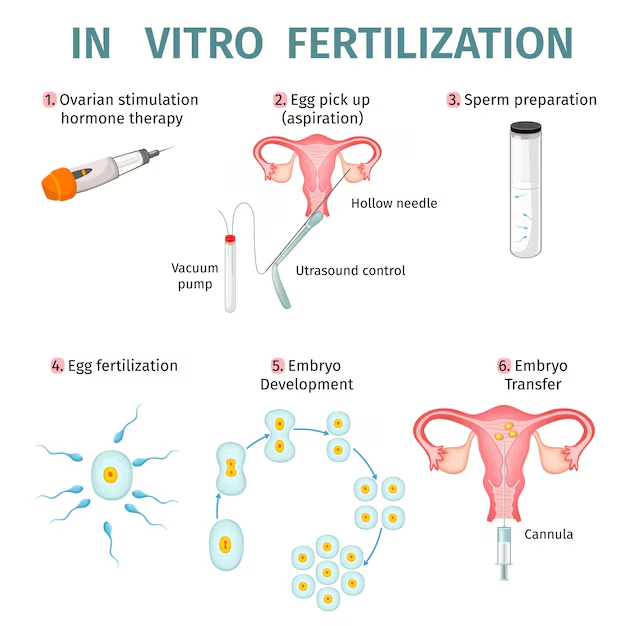
In vitro fertilisation (IVF) fertilises eggs outside the body in controlled laboratory conditions before transferring the resulting embryos into the uterus. This guide explains the IVF procedure step by step through five medical stages spanning from ovarian stimulation to final embryo placement.

What Are the 5 Stages of IVF?

The IVF treatment process consists of five steps. These stages aim to help with fertilisation and embryo development before starting a pregnancy:

  1. Ovarian Stimulation
  2. Egg Retrieval
  3. Sperm Collection or Retrieval
  4. Fertilisation and Embryo Development
  5. Embryo Transfer Procedure

A chart showing the IVF procedure steps from egg retrieval to embryo transfer.

1. Ovarian Stimulation

Fertility medications stimulate the ovaries to produce multiple mature eggs during one menstrual cycle instead of the single egg released naturally each month. This test tube baby process begins with hormone administration to boost egg production for fertilisation attempts.

  • Medications Used: Doctors prescribe injectable follicle-stimulating hormone (FSH) and luteinising hormone (LH) to trigger multiple follicle growth simultaneously. Gonadotropin-releasing hormone antagonists prevent premature egg release during the stimulation phase.
  • Monitoring Progress: Transvaginal ultrasound scans measure follicle size every 2 to 3 days throughout treatment. Blood tests track oestradiol hormone levels to confirm proper egg maturation and prevent ovarian hyperstimulation syndrome complications.
  • Duration: Stimulation continues for eight to fourteen days based on individual ovarian response to prescribed medications. Doctors adjust hormone dosages according to follicle development patterns observed during monitoring appointments.

2. Egg Retrieval

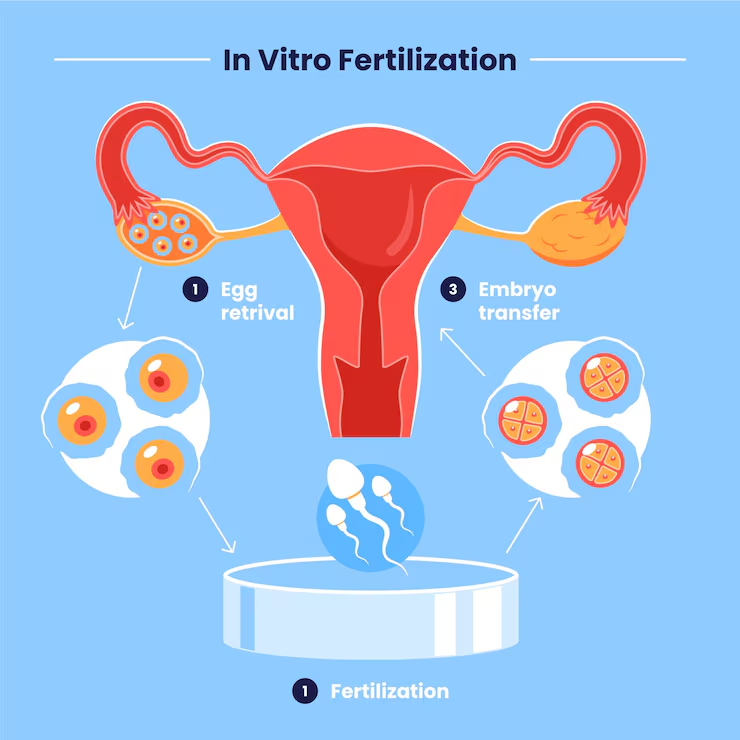
A vector showing IVF process steps from stimulation to transfer.

Mature eggs are collected through minor surgical intervention performed under conscious sedation or general anaesthesia in outpatient facilities. The IVF procedure requires precise timing for optimal egg collection.

  • Timing: Patients receive a human chorionic gonadotropin trigger injection exactly 36 hours before the scheduled retrieval to complete final egg maturation. This timing ensures eggs reach the optimal developmental stage for collection.
  • Procedure: A reproductive specialist inserts an ultrasound-guided needle through the vaginal wall into each ovary to aspirate follicular fluid containing mature eggs. The needle extracts fluid from each developed follicle visible on ultrasound imaging.
  • Recovery: Most patients rest 2 to 4 hours post-procedure before discharge home. Mild cramping and light spotting occur for 1 to 2 days following retrieval.

3. Sperm Collection or Retrieval

Sperm samples are obtained on egg retrieval day to maintain optimal freshness for fertilisation procedures in the laboratory. The IVF ICSI procedure demands high-quality sperm for successful embryo creation.

  • Collection Method: Partners provide fresh semen samples through masturbation after 2 to 5 days of abstinence from ejaculation. Samples are collected in sterile containers within the clinic collection rooms.
  • Surgical Retrieval: Testicular sperm extraction removes sperm directly from testicular tissue when ejaculation samples are unavailable due to blockages or absence. Percutaneous epididymal sperm aspiration uses fine needles to collect sperm from the epididymis.
  • Quality Check: Laboratory embryologists process collected samples to isolate motile sperm with normal morphological characteristics through washing and concentration techniques. Only the healthiest sperm are selected for fertilisation attempts.

4. Fertilisation and Embryo Development

Retrieved eggs combine with prepared sperm in laboratory dishes containing culture media that replicate fallopian tube conditions. The conventional IVF procedure places approximately 50,000 to 100,000 sperm with each egg.

Intracytoplasmic sperm injection directly injects one selected sperm into each mature egg using microscopic needles under high magnification. This IVF treatment process becomes necessary when sperm counts are low or motility is poor.

  • Fertilisation Check (Day 1): Embryologists examine eggs 16 to 18 hours after sperm introduction to confirm normal fertilisation, indicated by 2 pronuclei. Pronuclei contain genetic material from both egg and sperm before fusion.
  • Cell Division (Day 3): Embryos contain six to eight cells after division at the cleavage stage of development. Laboratory staff grade embryos based on cell number, symmetry, and fragmentation levels to predict viability.
  • Blastocyst Stage (Day 5): Embryos develop into blastocysts containing 100 to 150 cells with distinct inner cell mass formation. Blastocyst transfers achieve higher implantation rates than Day 3 embryo transfers across patient populations.

Preimplantation genetic testing screens embryos for chromosomal abnormalities or inherited genetic conditions before transfer decisions. Tested embryos undergo freezing while awaiting results.

5. Embryo Transfer Procedure

The embryo transfer procedure places 1 or 2 selected embryos into the uterine cavity using thin flexible catheters without anaesthesia requirements. This painless process takes 5 to 10 minutes to complete.

  • Timing: Fresh embryo transfers occur 3 days after egg retrieval at the cleavage stage or 5 to 6 days later at the blastocyst stage. Frozen embryo transfers happen during subsequent cycles after endometrial preparation with oestrogen and progesterone supplementation.
  • Procedure: Physicians insert a speculum and clean the cervix before passing soft catheters loaded with embryos through the cervical opening. Abdominal ultrasound guidance ensures embryo placement 1 to 2 centimetres from the uterine fundus.
  • Aftercare: Patients rest 15 to 30 minutes after transfer before resuming normal daily activities without restrictions. Progesterone supplementation continues for 8 to 12 weeks, supporting uterine lining and early pregnancy development.

The complete IVF procedure steps from stimulation initiation to pregnancy testing span approximately four to six weeks for fresh cycles. Blood pregnancy tests measure beta-hCG levels nine to fourteen days after transfer.

IVF Procedure Success Rate and Factors That Influence It

The IVF success rate fluctuates based on patient age, embryo quality, and clinic protocols used during treatment cycles. 

  • Age: Female age is the strongest predictor of IVF procedure outcomes due to declining egg quality and quantity after 35 years. Women under 35 achieve 55% IVF success rates per transfer cycle, while those aged 35 to 38 see 40% success rates, and women aged 38 to 40 experience 26% success rates.
  • Embryo Quality: Morphological grading evaluates cell number, symmetry, and fragmentation to predict implantation potential before transfer decisions. Blastocyst transfers show higher success rates than Day 3 embryo transfers.

At Pristyn Care Ferticity, our team brings over 40 years of combined clinical experience to every treatment cycle. We have completed more than 17,800 IVF and ICSI procedures with success rates between 70 to 80%. Our 58,000+ patients have benefited from personalised protocols and advanced laboratory capabilities.

Conclusion

The IVF procedure represents a scientifically refined series of medical interventions designed to overcome infertility barriers through controlled fertilisation and embryo development. Since 1978, these five stages have led to millions of births worldwide, changing reproductive medicine and providing real chances for parenthood. The test tube baby process remains the most effective assisted reproductive technology for couples facing conception challenges.


Book your IVF consultation today and take the next step towards parenthood.

FAQs

  • How long does the IVF process take from start to finish?

One complete IVF cycle requires 4 to 6 weeks from medication start to pregnancy test, including 8 to 14 days of ovarian stimulation, egg retrieval, 3 to 6 days of embryo development, and 9 to 14 days post-transfer before testing.

  • How many eggs are usually collected during an IVF procedure?

Doctors collect 8 to 15 mature eggs on average, depending on ovarian response to stimulation medications. Approximately 70 to 80% of mature eggs fertilise normally, and 30 to 50% develop into viable blastocysts.

  • Is IVF painful?

Ovarian stimulation injections cause minor discomfort at injection sites similar to routine vaccinations. Egg retrieval performed under sedation produces cramping for one to two days afterwards. The embryo transfer procedure is painless and requires no anaesthesia.

  • Can an  IVF procedure guarantee pregnancy?

IVF increases conception chances but cannot guarantee pregnancy due to biological factors affecting implantation and early development. Success depends on age, embryo quality, uterine receptivity, and overall reproductive health.

  • How is IUI different from IVF?

The IUI procedure, step by step, places washed sperm directly into the uterus during natural ovulation, while IVF fertilises eggs outside the body in laboratory conditions. IUI represents a less invasive approach with success rates typically between 5 to 20% per cycle compared to IVF’s higher rates.

IVF Calculator: Test for Pregnancy Weeks After IVF

From 1978 to 2018, over 13 million babies were born worldwide through in vitro fertilisation (IVF). Assisted reproductive technology (ART) is now part of everyday life for millions, with one ART-conceived baby born every 35 seconds. Despite this widespread use, confusion remains about accurately tracking pregnancy weeks after embryo transfer. Standard pregnancy calculation methods do not apply directly to IVF conceptions. Knowing how an IVF calculator functions enables accurate monitoring of fetal development milestones, proper timing of prenatal screenings, and realistic expectations for delivery dates. Precise gestational age calculation affects clinical decisions throughout pregnancy.

What Is an IVF Calculator?

An IVF due date calculator is used to estimate gestational age and predict the expected delivery date, using the embryo transfer date instead of the last menstrual period. It determines gestational age by adding 266 days to the fertilisation date, then adjusting backward based on embryo age at transfer. Day 3 embryos require adding 17 days to the transfer date, while Day 5 blastocysts require 19 days to reach equivalent gestational age.

Key Dates Used in IVF Calculations

An IVF weeks calculator relies on specific dates that differ from natural conception tracking. The embryo transfer date serves as the primary reference point. Adjustments are made for the embryo development stage.

Key Date Purpose
Embryo Transfer Date Primary reference for gestational age calculation
Fertilization Date Determines embryo age and developmental stage
Embryo Age at Transfer Adjusts backward calculation to the last menstrual period equivalent
Egg Retrieval Date Mark’s oocyte collection, typically 1 day before fertilisation
Adjusted LMP Calculated date used as baseline for standard pregnancy dating

Note: The egg retrieval date is usually 1 day before fertilisation, but some IVF protocols may use a different timing. This can affect gestational age calculations.

How to Calculate Pregnancy Weeks After IVF

The process of how to calculate pregnancy weeks after IVF requires knowing the embryo’s age at transfer. A pregnancy week calculator IVF uses this information to determine gestational age more accurately than traditional methods.

1. Enter Transfer Date and Embryo Age

  • Record the exact date of embryo transfer.
  • Specify if it was a Day 3 (cleavage stage) or Day 5 (blastocyst) embryo.


2. Calculate Gestational Age

  • For a Day 3 transfer, add 17 days to the transfer date.
  • For a Day 5 transfer, add 19 days to the transfer date.
  • This gives the equivalent last menstrual period (LMP) for calculating gestational age.


3. Predict Due Date and Milestones

  • Count 280 days from the LMP to get the estimated due date.
  • First trimester ends at 13 weeks.
  • The second trimester ends at 27 weeks.
  • Full term begins at 37 weeks.


Calculation Example:

Transfer Type Transfer Date LMP Equivalent Current Date Gestational Age Due Date
Day 3 Embryo 15 Oct 2025 28 Sept 2025 11 Oct 2025 5w 6d 5 July 2026
Day 5 Blastocyst 15 Oct 2025 26 Sept 2025 11 Oct 2025 6w 1d 3 July 2026


How Reliable Are IVF Calculators?

IVF calculators provide accurate estimates within 3 to 5 days when using confirmed transfer dates. The actual delivery dates depend on biological factors affecting implantation and fetal growth.

  • Precision Factors: Implantation timing varies by 1 to 3 days even after transfer. Embryo quality affects developmental speed. Maternal age above 35 correlates with slightly longer gestations. Frozen embryo transfers show similar accuracy to fresh transfers when embryo age is correctly documented.
  • Ultrasound Confirmation: First-trimester crown-rump length measurements between 8 and 13 weeks provide dating accuracy within 5 to 7 days. This measurement supersedes calculator estimates if the discrepancy exceeds one week. Second-trimester biometric measurements, with 10 to 14-day variation, are less accurate for dating.
  • Specialist Consultation Requirements: Reproductive endocrinologists adjust dates based on embryo quality grading and development observations. Obstetricians may revise due dates following ultrasound measurements. Discrepancies between the calculator and ultrasound dating require clinical judgment to determine the most accurate estimate.

Key Takeaways 

Pregnancy calculations through an IVF due date calculator support optimal prenatal care and informed decision-making during gestation. Embryo transfer dates provide a better estimate of gestation age than menstrual cycle estimates in natural conception. Ultrasounds done during the first trimester confirm the calculator’s predictions and can be used to update the date, in case of measurement differences.  Periodic check-ups with reproductive specialists and obstetricians will help to interpret gestational age information correctly.   


Book a consultation with a gynaecologist today to confirm your IVF calculator results and get a personalised prenatal plan.


FAQs

  • When are you officially pregnant after IVF?

Clinical pregnancy is confirmed when hCG blood test results exceed 5 mIU/mL, typically 9 to 14 days after embryo transfer. Gestational age dating begins from the calculated last menstrual period equivalent, not from the actual transfer date.

  • Can you track trimester progress with an IVF calculator?

Most IVF calculators display trimester divisions automatically, with the first trimester ending at 13 weeks 6 days, the second trimester spanning 14 to 27 weeks 6 days, and the third trimester beginning at 28 weeks. These divisions appear once gestational age is calculated from the transfer date and embryo age.

  • Can an IVF calculator estimate implantation day?

An ivf calculator does not predict when implantation occurs because timing varies by 1 to 3 days among individuals. The calculator uses the transfer date to determine gestational age regardless of exact implantation timing.

  • Are IVF babies usually early or late?

IVF singleton pregnancies deliver slightly earlier than naturally conceived pregnancies, with a median delivery at 39 weeks versus 40 weeks. Multiple gestations from IVF typically deliver at 35 to 37 weeks.

  • Is IVF usually successful first try?

IVF success depends on age, fertility factors, and clinic protocols. Women under 35 are often successful, with rates ranging from 21–30% for those between 38 and 40. Some women require multiple attempts to achieve pregnancy.

  • After how many weeks IVF pregnancy is safe?

An IVF pregnancy stabilises after 12 weeks as major organs form and the placenta strengthens. Miscarriage risk decreases, with hormonal and immune changes supporting fetal growth.

  • Can the IVF due date change?

Due dates calculated by an IVF calculator may be revised when first-trimester crown-rump length measurements differ from calculator estimates by more than 7 days. Later ultrasounds do not warrant due date changes due to increased measurement variability.

  • Does an IVF calculator adjust for Day 6 embryo transfers?

Some IVF calculators handle Day 6 embryo transfers by adding about 20 days to the transfer date. This helps determine the equivalent last menstrual period. Day 6 blastocysts use the same calculation methods as Day 5 transfers, with one extra day in the adjustment formula.

Tried Everything to Get Pregnant Naturally? What to Consider Next

Infertility issues have been emotionally and physically draining for couples aspiring to become parents. From consuming a healthy and balanced diet to tracking the fertile window, the journey becomes dull and worrisome when, despite trying everything, you don’t conceive. According to several studies, infertility rates have risen to ~30% in 2015-16. Several factors, including sedentary lifestyle, obesity, sleep deprivation, stress, PCOS, and low sperm count, have contributed significantly to the rising infertility rate. 

In such a scenario, procedures guided under assisted reproductive technologies, such as the IVF process, IUI, using donor eggs, sperm, and gestational carriers, have proven to be a game-changer. These offer an alternative to natural pregnancy and have helped thousands of couples to achieve parenthood. 

At Pristyn Care, we believe in educating our patients with all possible avenues available, so they are able to make an informed decision based on their unique needs and circumstances. As you read further, you will find details concerning several options for a failed natural conception.  


How Does Fertilization Occur?

For a successful pregnancy or to boost the chances of conception, understanding your body and your fertile window is extremely important. When a healthy sperm successfully encounters and penetrates a mature egg in the fallopian tube, fertilization occurs.

Fertilization is a complex process and is dependent on several factors, including the quality of the egg, regular ovulation, normal sperm motility, healthy sperm morphology, a good sperm count, fertile cervical mucus, and healthy fallopian tubes. The most common fertilization symptoms indicating a successful pregnancy are missed periods, nausea, tender or swollen symptoms, fatigue, and increased urination. 

But what if you fail to conceive? What are the reasons behind? And, how to identify a failed pregnancy? Are there any significant signs? 


Causes Behind Infertility in Men and Women

  • Blocked fallopian tubes, preventing the sperm from reaching the eggs 
  • History of pelvic infections, sexually transmitted diseases, and endometriosis
  • Hormonal imbalances, Polycystic Ovarian Syndrome, stress, and obesity
  • Uterine fibroids, endometrial polyps, scar tissue
  • Low sperm count and low motility in men
  • Azoospermia, oligospermia, and varicocele symptoms in men
  • Premature ejaculation, erectile dysfunction, or blockage in the testicles

While a failed natural conception after multiple attempts brings a lot of despair and disappointment, the availability of several alternative options to natural pregnancy comes as a hope to many. Below, we will be discussing a few of the popular alternatives to natural pregnancy. 

Understanding Pregnancy Alternatives

In vitro fertilization, Intrauterine insemination, fertility medications, and surrogacy(gestational carriers) are the most common types of fertility treatments available. 

  • Intra Uterine Insemination(IUI)

During the procedure, a thin catheter is used to introduce sperm directly into the uterus, near the fallopian tubes. It increases the possibility of sperm penetrating the egg successfully. The IUI procedure is timed with the ovulation phase, and either the partner’s or donor’s sperm is used. IUI is usually suggested when the female is struggling with cervical mucus problems, unexplained infertility causes, erectile dysfunction, and other infertility-related issues in men, like low sperm count, sperm impairments, etc. 

  • In vitro Fertilization(IVF)

In vitro fertilization is the most popular method of fertility treatment. In order to encourage the ovaries to produce more eggs, women are given the hormonal medications. After that, the eggs are collected and fertilized in a lab using the sperm. If the fertilization takes place successfully, the embryos are given two to three days to develop further in the lab. Later, the most viable embryos are transferred to the woman’s uterus, hoping for a successful pregnancy. 

IVF process is usually suggested when the fallopian tubes are damaged or blocked, unexplained fertility issues, ovulation difficulties, uterine fibroids, low sperm count, PCOS, low sperm count, abnormal morphology, or when women are above the age of 35 and have fewer chances of a successful pregnancy. Consult the experts at Pristyn Care for understanding the IVF process step by step.

  • Hormonal Medications

Fertility medications are a good option for women who have tried and failed to conceive naturally. These medications are mostly used for people with polycystic ovarian syndrome who have trouble getting pregnant and for people who have issues getting pregnant because of hormonal imbalances. Additionally, the doctor may also suggest the medications if you have been diagnosed with PCOS (polycystic ovary syndrome), have a low sperm count or sperm motility, are battling certain infections or inflammatory conditions, have an irregular menstrual cycle and ovulation, or have fertility-related problems concerning the hormone synthesis of your pituitary gland.

  • Surrogacy

A gestational surrogate bears the child for a same-sex couple or another woman in the surrogacy procedure. Depending on the type of surrogacy, either the intended parents or the surrogate is genetically related to the child.

If you want a biological child but are unable to carry a pregnancy, opting for surrogacy is a wonderful option for you. Additionally, same-sex couples or women who are incapable of carrying a pregnancy to term, do not have a uterus, or have a medical condition that would make pregnancy dangerous or challenging, may also opt for surrogacy.


Conclusion

Several factors help in determining the best fertility treatment for each individual. In order to determine the best course of action for you, the fertility specialist should perform a thorough evaluation and diagnosis. Pristyn Care has world-renowned fertility specialists who work towards devising personalised fertility treatments specifically for individuals to increase their chances of becoming pregnant.  Contact our experts today to learn more about your options for alternative fertility treatments in India.


FAQs

  • Can a watery sperm get a woman pregnant​?

Watery semen refers to either low sperm count or reduced semen quality. Yes, it can still make a woman pregnant as a single healthy sperm can still reach and fertilise an egg. 

  • Does sabja seeds cause infertility​?

When consumed in moderation, sabja seeds are safe and nutritious. To date, no studies have proven their connection with causing infertility. For more information, connect with our fertility specialists. 

  • What is test tube baby? Has a test tube baby ever lived?

Traditionally, babies conceived through the IVF process were called test tube babies. Louise Joy Brown is the first test tube baby, born in 1978, and is absolutely healthy and normal.