


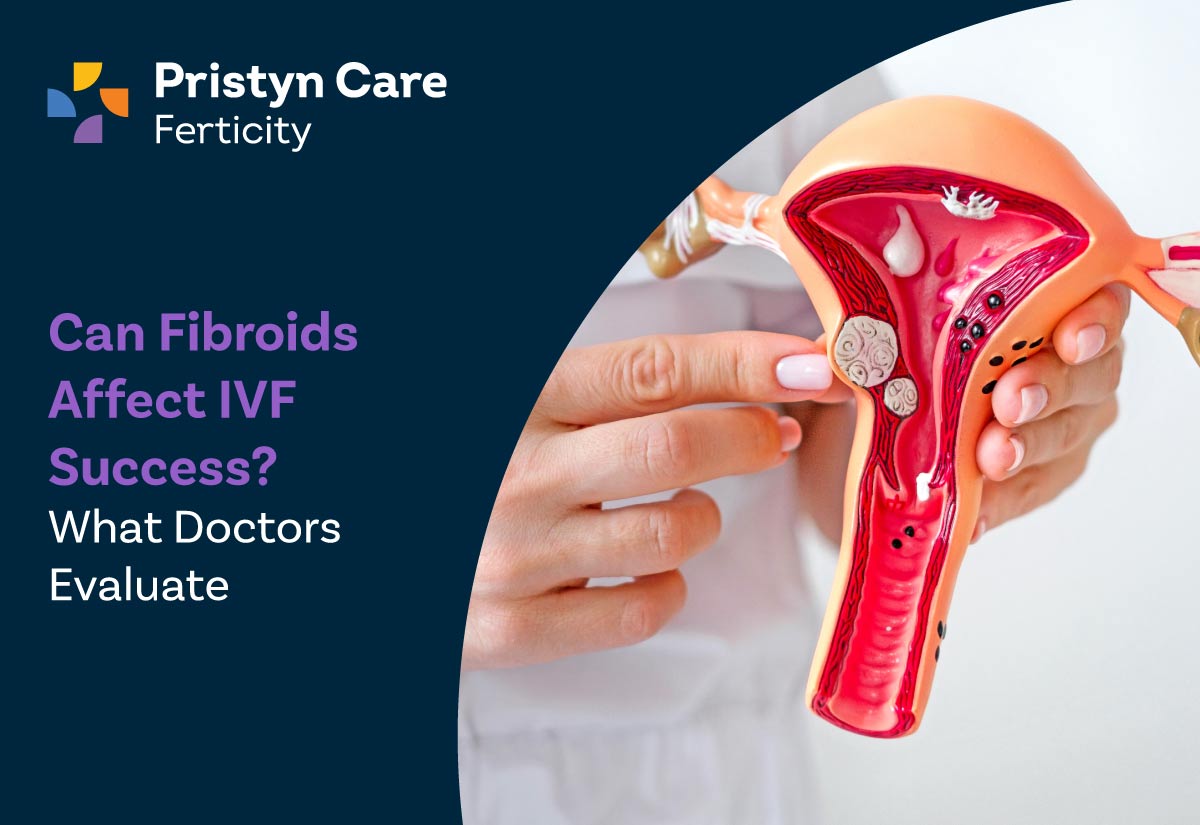
Can Fibroids Affect IVF Success? What Doctors Evaluate
When you’re preparing for IVF, every new test result can feel stressful. Hearing that you have uterine fibroids may raise immediate concerns Will IVF still work? Do fibroids need treatment first? Will this delay my pregnancy plans?
The truth is reassuring: many women with fibroids successfully conceive through IVF. Fibroids do not automatically mean IVF failure. What matters is how those fibroids interact with the uterus and that’s exactly what fertility doctors evaluate before starting treatment.
In this blog, we’ll explain how fibroids can affect IVF success, when they matter and when they don’t, and what doctors actually check before moving forward in simple, clear language without unnecessary medical jargon.
Understanding Fibroids in Simple Terms
Fibroids are non-cancerous growths that develop in or around the uterus. They are extremely common, especially in women of reproductive age.
Many women live with fibroids for years without symptoms. Others may experience:
- Heavy or painful periods
- Lower abdominal heaviness
- Pelvic discomfort
- Bloating
- Difficulty conceiving
Fibroids can be small or large, single or multiple. Some grow inside the uterus, while others grow in the muscle or on the outer surface.
Not all fibroids affect fertility and not all fibroids affect IVF success.
Do Fibroids Always Reduce IVF Success?
No.
This is one of the biggest myths.
Some fibroids have no impact at all on IVF outcomes, while others may reduce the chances of embryo implantation or increase the risk of early pregnancy loss.
The key factors are:
- Where the fibroid is located
- Whether it changes the shape of the uterus
- How big it is
Doctors don’t look at fibroids in isolation. They look at the whole fertility picture.
Types of Fibroids and Why Location Matters
Fibroids Inside the Uterus
Fibroids that grow inside the uterine cavity are more likely to affect IVF. This is because implantation happens in this space.
When fibroids occupy or distort this area, they may:
- Reduce space for the embryo
- Make implantation difficult
- Affect blood flow to the uterine lining
Doctors usually pay close attention to these fibroids before IVF.
Fibroids in the Uterine Wall
Fibroids growing within the muscle of the uterus may or may not affect IVF.
Small ones often cause no issues. Larger ones, however, can:
- Change uterine shape
- Affect uterine contractions
- Reduce implantation chances in some cases
Doctors evaluate these carefully before deciding on treatment.
Fibroids on the Outer Surface of the Uterus
Fibroids on the outer surface usually do not interfere with implantation.
Most women with these fibroids:
- Can proceed with IVF
- Do not need fibroid removal
- Have similar success rates to women without fibroids
How Fibroids Can Influence IVF Outcomes
Fibroids don’t affect IVF in the same way for everyone. When they do interfere, it’s usually because of one or more of the following reasons:
1. Implantation Problems
If fibroids alter the inner shape of the uterus, embryos may struggle to attach securely.
2. Reduced Blood Supply
Healthy blood flow is essential for embryo growth. Some fibroids can affect circulation in the uterus.
3. Changes in Uterine Movement
The uterus naturally contracts gently. Fibroids may increase abnormal contractions, making it harder for embryos to stay implanted.
4. Inflammation
Some fibroids may create a less favorable environment inside the uterus.
What Doctors Evaluate Before IVF When Fibroids Are Present
Fertility specialists take a balanced and individualized approach. Here’s what they usually evaluate:
Size of the Fibroids
- Small fibroids often don’t matter
- Larger fibroids may require closer attention
Size alone doesn’t decide treatment but it helps guide decisions.
Exact Location
Doctors carefully assess whether fibroids:
- Touch the uterine cavity
- Change its shape
- Come close to the implantation area
Location often matters more than size.
Shape of the Uterine Cavity
A healthy uterine cavity should be smooth and open.
Doctors check:
- Whether fibroids distort the cavity
- Whether there is enough space for implantation
Simple imaging tests help determine this clearly.
Number of Fibroids
Multiple fibroids may have a combined effect even if each one is small. Doctors consider:
- Total fibroid burden
- Overall uterine shape
Previous IVF History
If IVF has failed before without a clear reason, fibroids may be reviewed more seriously—even borderline ones.
Symptoms
Doctors also consider whether fibroids are causing:
- Heavy bleeding
- Pelvic pain
- Pressure or discomfort
Symptomatic fibroids are more likely to be treated.
Do Fibroids Always Need Treatment Before IVF?
No.
Many women with fibroids do not need surgery before IVF. Doctors only recommend treatment when it clearly improves the chances of success.
Treatment Is Usually Recommended If:
- Fibroids distort the uterine cavity
- Implantation may be affected
- There is a history of repeated IVF failure
Treatment Is Often Avoided If:
- Fibroids are small
- The uterine cavity is normal
- IVF success rates are not expected to drop
Doctors aim to avoid unnecessary procedures that could delay fertility treatment.
Fibroid Treatment and IVF Timing
When fibroid treatment is needed, doctors plan IVF carefully.
Depending on the type of fibroid, treatment may involve:
- A minimally invasive procedure
- A short recovery period
- Careful monitoring before starting IVF
The goal is always to optimize uterine health while minimizing delays.
Can Women With Fibroids Have Successful IVF?
Yes, very often.
Thousands of women with fibroids:
- Undergo IVF
- Conceive successfully
- Deliver healthy babies
What matters most is personalized evaluation, not just the presence of fibroids.
Modern fertility care focuses on:
- Individual uterine assessment
- Tailored treatment plans
- Evidence-based decision-making
Emotional Impact: What You Should Remember
Hearing about fibroids during fertility treatment can be emotionally draining. But remember:
- Fibroids are common
- Many don’t affect IVF
- Doctors assess carefully before recommending treatment
- IVF success is still very possible
Being informed helps reduce anxiety and builds confidence in the treatment plan.
Final Takeaway
Fibroids do not automatically reduce IVF success. What truly matters is how they affect the uterus and implantation process.
Doctors evaluate:
- Location
- Size
- Uterine cavity shape
- IVF history
- Symptoms
With proper assessment and personalized care, many women with fibroids achieve successful IVF outcomes.
If you’re planning IVF and have fibroids, a detailed fertility evaluation is the best next step because the right plan can make all the difference.
